Adjusting the Formation: Tactical Insights for Bangor's Next Phase
The Seasiders have shown promise in recent fixtures, demonstrating resilience and a solid commitment to their tactical approach. However, as they navigate through the demanding landscape of the Northern Ireland Premiership, some strategic tweaks could elevate their game and position. By analyzing their current form, we can identify both strengths to build upon and weaknesses to address, ultimately aiming for a stronger push in the league.
Current Tactical Setup
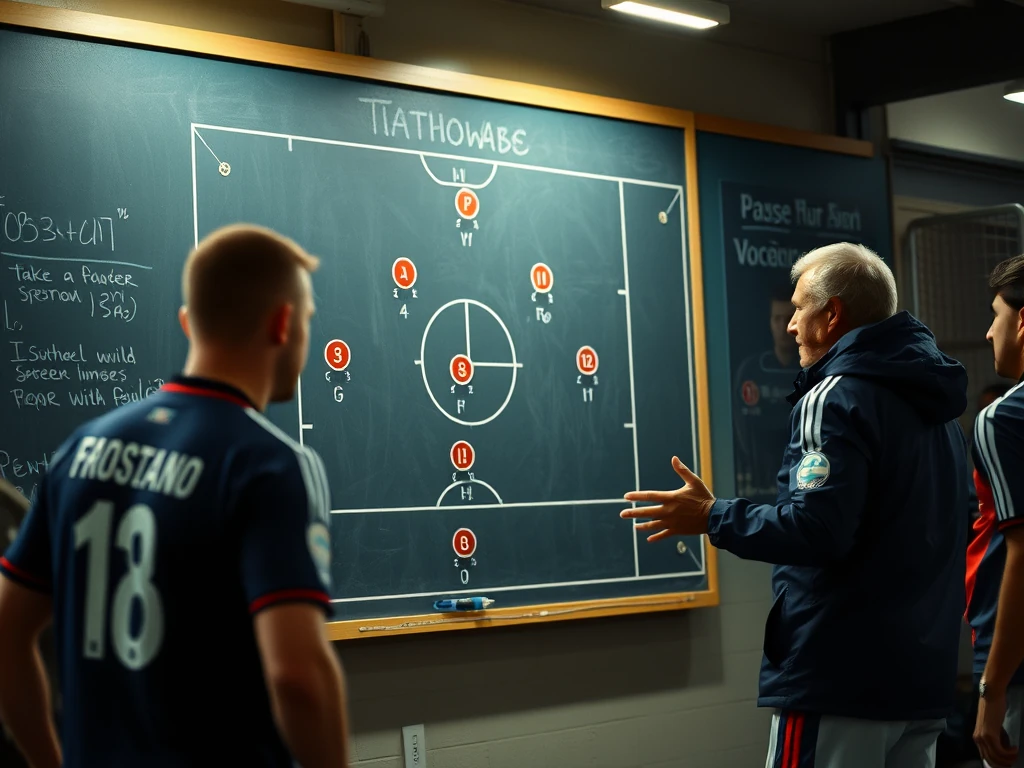
Bangor has predominantly utilized a 4-2-3-1 formation, which offers stability in midfield while allowing for attacking options. This setup has allowed players like S. Fallon and O. Devlin to thrive in their roles, providing both defensive cover and offensive support. However, the recent matches have highlighted a tendency to become predictable in their attacking play, often relying on wing play without sufficient variation in approach. This predictability can be easily countered by well-organized defenses, as seen in some of their recent draws.
Suggested Tweaks
1. Fluidity in Midfield
One of the key areas that require attention is the fluidity in the midfield. While the double pivot has served them well, introducing a more dynamic midfield trio could enhance creativity and movement. Shifting to a 4-3-3 formation, with O. Devlin and S. Fallon operating as central midfielders while allowing a more advanced player to link up with the forwards, could provide the necessary spark. This change would enable better ball retention and facilitate quick transitions, making it harder for opponents to predict their next move.
2. Strengthening Wide Play
To complement a more fluid midfield, the role of the wingers should be re-evaluated. Currently, the wide players often hug the touchline, which can become predictable. Encouraging them to cut inside or swap flanks could create more space and opportunities for overlapping full-backs. This tactic not only stretches the opposition defense but also opens up central areas for strikers to exploit. A more varied approach on the flanks can rejuvenate their attacking play and provide additional options in the final third.
3. Pressing and Defensive Organization
While Bangor has displayed solid defensive performances, their pressing strategy could be enhanced. Currently, the team presses in a somewhat passive manner, allowing opponents time to settle on the ball. Implementing a more aggressive high press could force errors from the opposition and create quick scoring opportunities. This requires the forwards and midfielders to coordinate their efforts more effectively, ensuring that pressure is applied consistently across the pitch.
Conclusion
As Bangor FC aims to solidify their position in the Premiership, these tactical adjustments could prove crucial. By enhancing midfield fluidity, adapting wide play, and refining their pressing strategy, the Seasiders can maximize their potential and disrupt the rhythm of their opponents. The upcoming fixtures will be an ideal testing ground for these tweaks, and with a bit of experimentation, Bangor could find themselves climbing the league table and challenging for a top position. The journey ahead is promising, and the tactical evolution of Bangor FC will undoubtedly be one to watch.